Managing Behaviour in School: Working with Your Child on Regulation
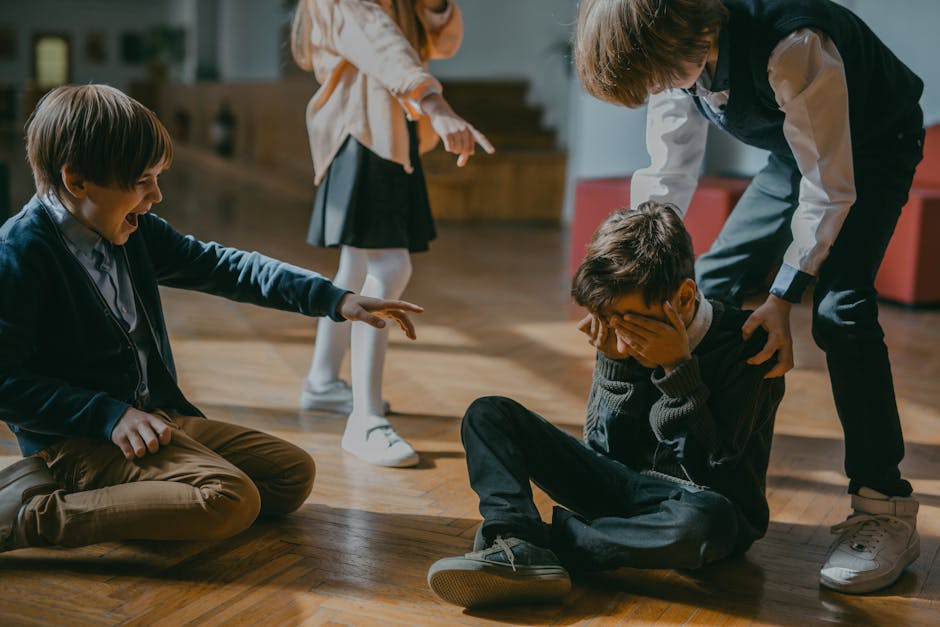
When a child struggles with behaviour in school, adults often focus on consequences. But behaviour is usually a symptom, not the problem itself. A child who hits out, refuses to work, or disrupts the class is typically struggling to regulate their emotions or manage a situation that feels overwhelming.
Educational psychologists approach behaviour through a regulation lens. Before addressing the behaviour itself, they ask: what's making this child dysregulated? Is it:
- Anxiety about academic tasks or social situations?
- Sensory overload from the school environment?
- Difficulty understanding expectations or transitions?
- Unmet need for attention or connection?
- Lack of skills to express frustration appropriately?
Once you understand the root cause, you can address it. A child who acts out when asked to move to a new activity might need more warning time and visual supports. A child who becomes aggressive when frustrated might benefit from explicit teaching of calming strategies. A child who avoids work might be struggling academically and need confidence-building success.
Regulation is something children can learn. It's not about having no big feelings—that's unrealistic—but about developing tools to manage those feelings in socially appropriate ways. Parents and schools can teach this together.
At home, you can support regulation by:
- Naming emotions: "You seem frustrated—that's a normal feeling. Let's think about what to do."
- Teaching calming strategies: Deep breathing, movement breaks, quiet time, sensory tools like stress balls.
- Noticing patterns: When does your child struggle most? After school? When hungry? When overstimulated? Understanding patterns helps you prevent dysregulation.
- Staying calm yourself: Children regulate through co-regulation. If you're calm, it helps them calm.
- Problem-solving together: When calm, talk through difficult situations. What happened? How did it feel? What could help next time?
Schools can create environments that support regulation:
- Clear, predictable routines
- Visual supports showing expectations
- Quiet spaces for regulation breaks
- Advance warning of changes
- Opportunities for movement and sensory input
It's crucial that school responses to behaviour support rather than punish regulation difficulties. Detention or loss of privileges won't teach a dysregulated child how to manage emotions. In fact, these consequences often make things worse, increasing anxiety and reducing trust.
If your child is struggling with behaviour, ask the school: what do you think is causing this? What regulation skills are they learning? How can we support this at home? This shifts the conversation from blame to collaborative problem-solving.
Behaviour change takes time. Children need to learn new skills, practise them repeatedly, and gradually apply them in different situations. But when adults focus on regulation rather than punishment, real progress happens.