What Happens During an Educational Psychology Assessment?
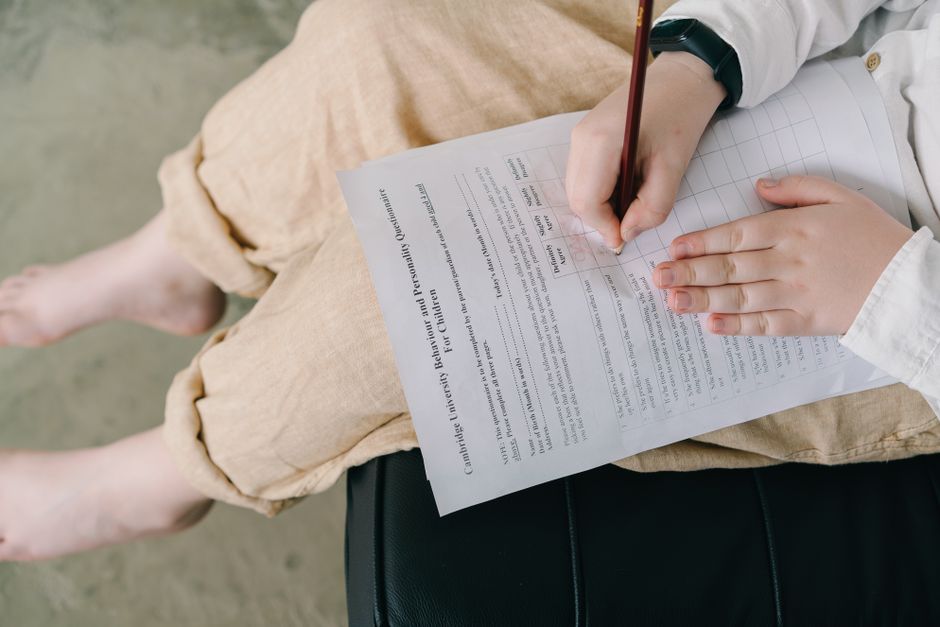
If your child has been referred for an educational psychology assessment, you might feel uncertain about what to expect. Understanding the process can ease anxiety—for you and your child.
First, the referral. Usually the school raises concerns and requests an assessment from the Local Authority Educational Psychology Service. Parents are involved in this process. The school will explain why they think an assessment would help and what they hope to understand.
Before the assessment itself, the educational psychologist gathers information. They'll review school records, previous assessments, and any reports from other professionals. They'll ask the school about the child's strengths, specific areas of concern, and what they've already tried. Parents are usually asked to provide background information too: developmental history, health information, and observations from home.
The assessment itself typically includes:
- Cognitive assessment: Tests exploring how the child thinks, reasons, and processes information. This isn't an IQ test in the old sense, but rather a detailed profile of different cognitive abilities.
- Educational assessment: Looking at specific skills like reading, writing, numeracy, and spelling. This shows what the child can do and where they struggle.
- Observation: Watching the child in the classroom and other school settings, noting how they interact, concentrate, and respond to challenges.
- Interviews: Talking with the child about their experience of school, what they find easy or hard, what they enjoy.
The whole process usually takes several hours, often spread over multiple visits. Educational psychologists are trained to make this engaging and stress-free. They use a range of activities and materials designed to be interesting rather than threatening.
It's important to understand that educational psychology assessments aren't pass-or-fail. The psychologist isn't judging the child. They're building a detailed picture of how that particular child's mind works, what gets in the way of learning, and what approaches will help them progress.
After the assessment, there's a period of analysis. The EP reviews all the information gathered, considers what patterns emerge, and develops recommendations. These recommendations should be practical and grounded in what the school can realistically implement.
The feedback meeting comes next. The EP will explain their findings to the school and parents. This is your opportunity to ask questions and understand the recommendations. A good EP will explain things in plain language, not jargon, and will check that you understand.
Finally, there's a written report. This becomes part of your child's school record and can be used to support further requests for help or resources. The report should clearly explain what the assessment found and what should happen next.
The whole process takes time—weeks rather than days. But the result is detailed information that should lead to more effective support for your child.